Showing posts with label Travel. Show all posts

Wednesday, 7 March 2018

🌏 VISITS — ASAHIKAWA

The chilly city of Asahikawa was a warm surprise amidst the snowy romance of its winter festival.

The final stop on our two week tour of Japan's northernmost island of Hokkaido, Asahikawa - we'll be honest - was not our first choice of destination. It was February and ice festival season in Japan, thousands of tourists were flocking to the major city of Sapporo to see the spectacle of ice carved into miraculous shapes.

The popularity of Sapporo's globally recognised Ice Festival meant that as meagre little travellers we were priced out of the city; most accommodation had been booked and we couldn't stretch to coughing up for a hotel. A bit of research led us to learn that Sapporo's smaller, sweeter sister city Asahikawa was hosting its own annual ice sculpture festival - Asahikawa Winter Festival - and so we decided, Asakhikawa would be were we saw ice sculpted into shapes.

Asahikawa, it turns out, holds the record for Japan's coldest temperature: in 1902 the weather station there recorded -41°C! We arrived at night and it was cold but beautiful; illuminated ice sculptures lined the boulevard running through the centre of the city from the train station to the Ishikari River. We appeared like gangly, misshaped aliens walking through the shopping streets as people admired the sculptures, our rucksacks on back and google maps open to find our hotel. We had booked in to a business hotel and it turned out to be a business hotel in more than one sense - a working girl stood outside the front door, freezing in a short dress and knee high boots. She was picked up by a blacked out car as we entered. The lobby was just a window into an office but the man working behind the desk was friendly and our room was basic but clean. The best part of staying at this hotel would turn out to be the breakfast; two options: 1) Japanese beef curry or 2) a raw egg, rice and natto.

Unaware of how extensive this smaller ice festival might be we went out into the night to find dinner and see the sights. The streets were busy with bustling guests to the city, artists were chipping and carving out finishing touches on the elegant and delicate shapes of the sculptures.

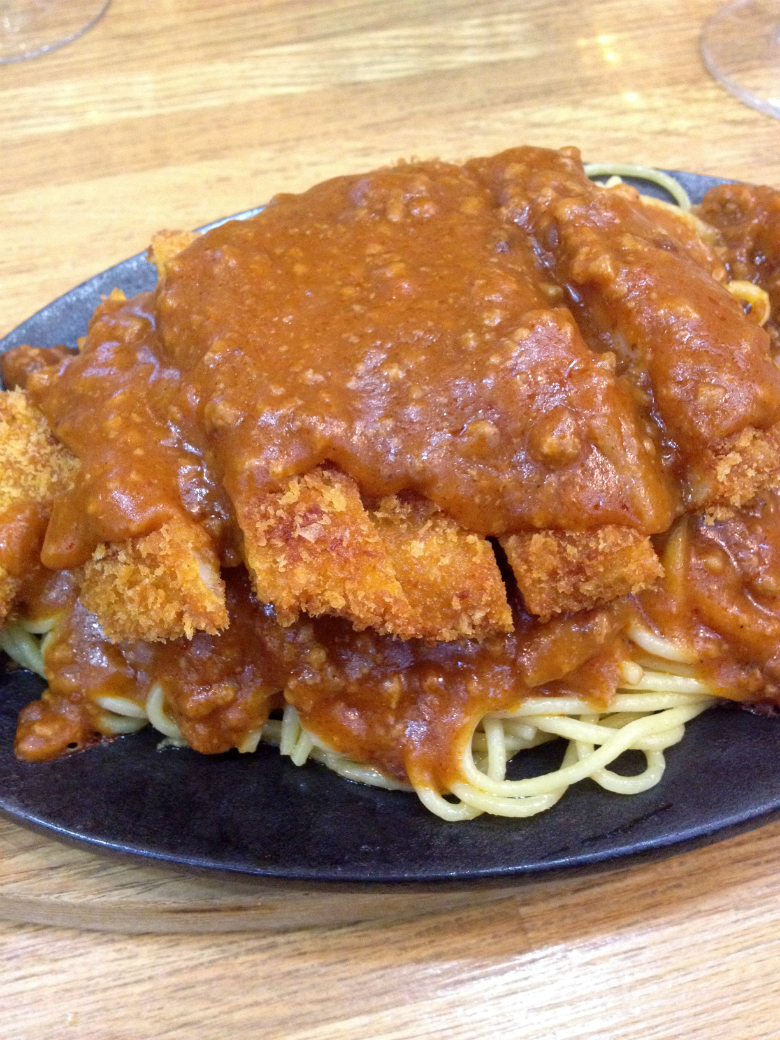
We grabbed some food at a vending machine restaurant called Matsuya. This place was a godsend. Cheap and fresh dishes in a restaurant full of Japanese locals, the kind of everyday eating we liked. We also discovered that they sold draught beer for 150 yen a glass which therefore made it our new favourite place to eat. A portion of katsu curry later we were refuelled and ready to take a walk through the city.

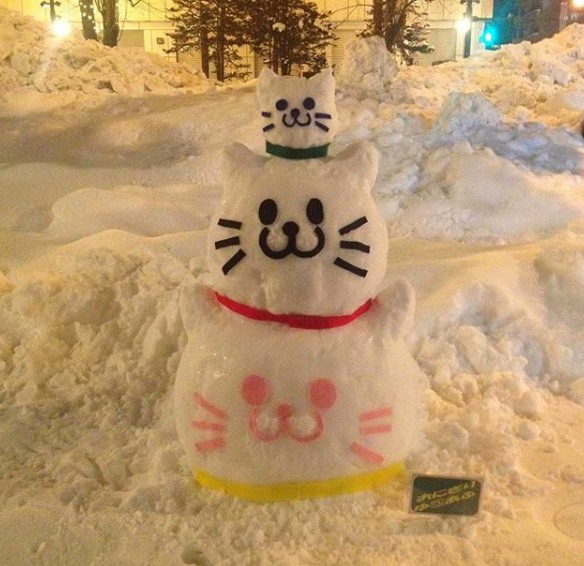
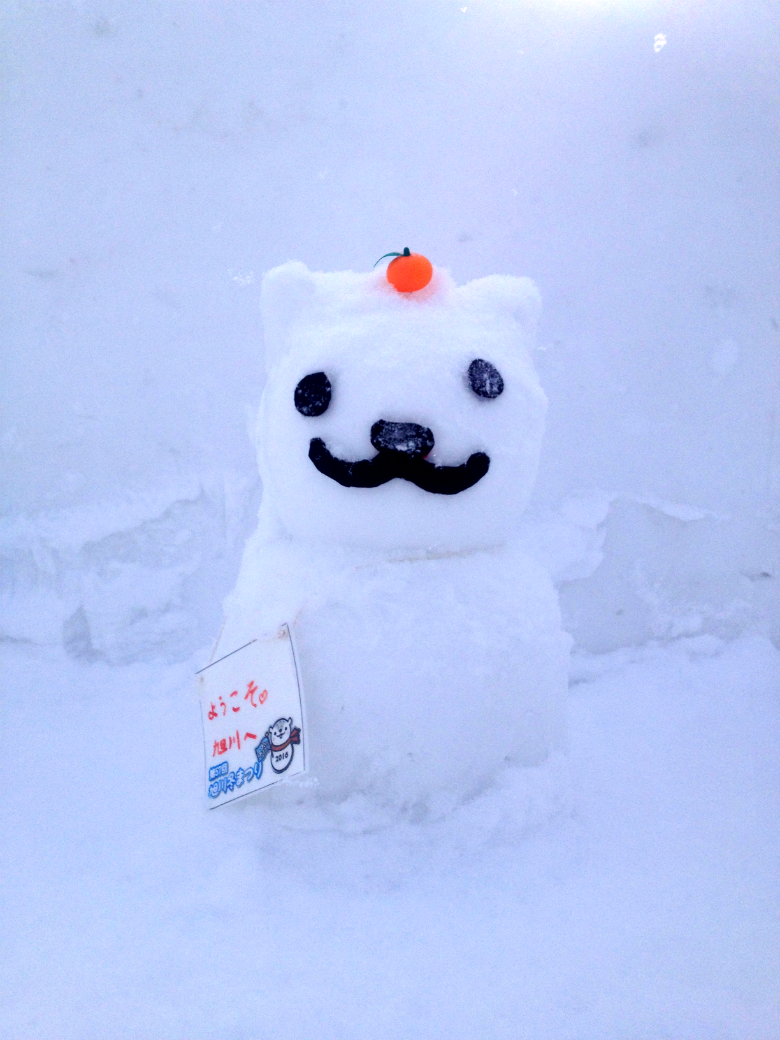
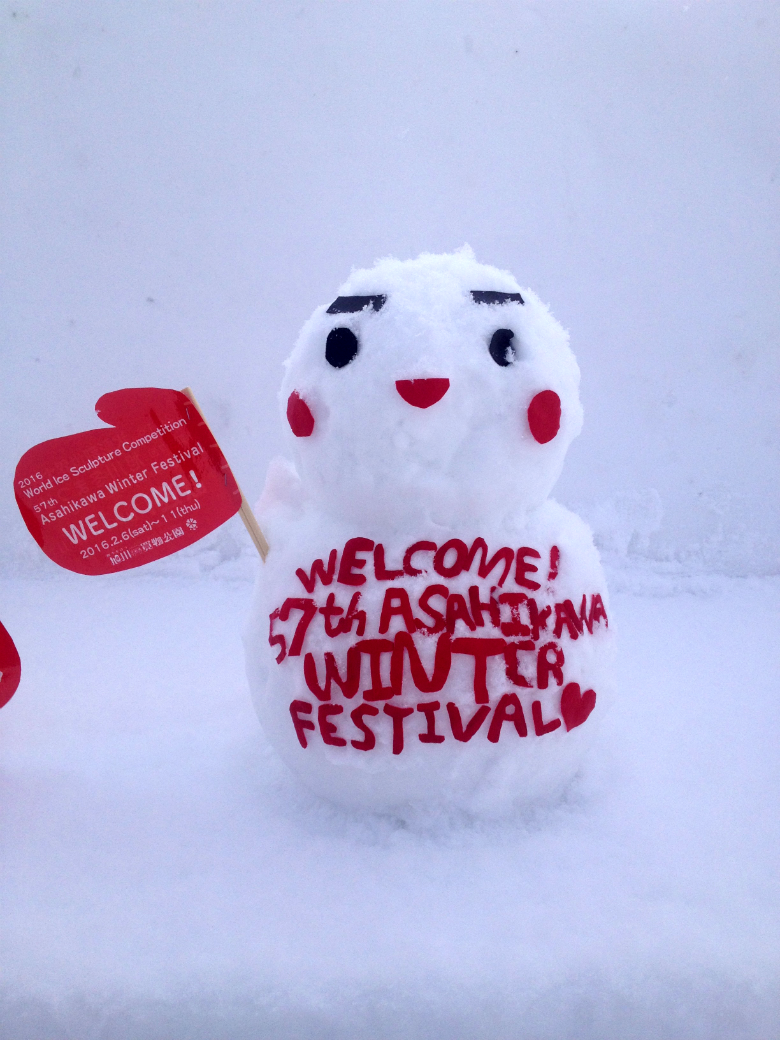
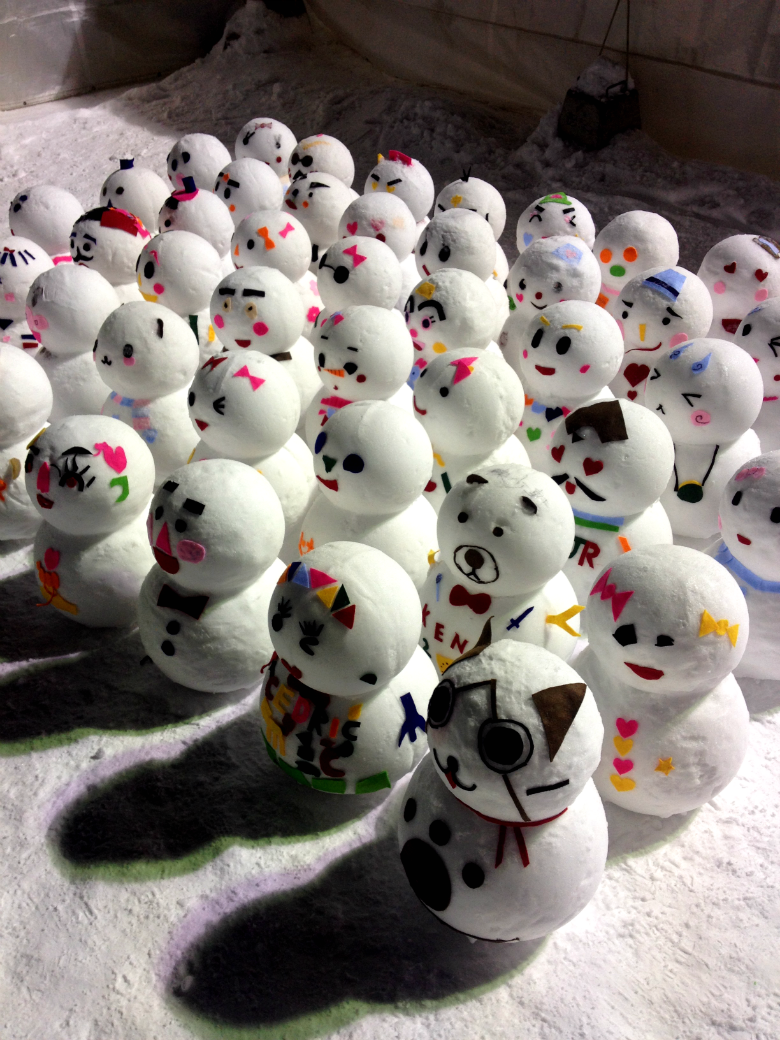
The festival turned out to be a compact version of the one Sapporo puts on, but heartfelt and genuine. Local school children had made small snowmen who sat lining walls from the city centre down to the main site of the festival, each snowman with a different comedic expression or emotion made by the child who created it. We spent longer than two grown adults should cooing over the cuteness and taking pictures. The lines of snowmen ushered through a tunnel of tiny lights and to the entrance of the city park where pathways lit by tiny candles had been carved out thick snow for visitors to wind their way along.

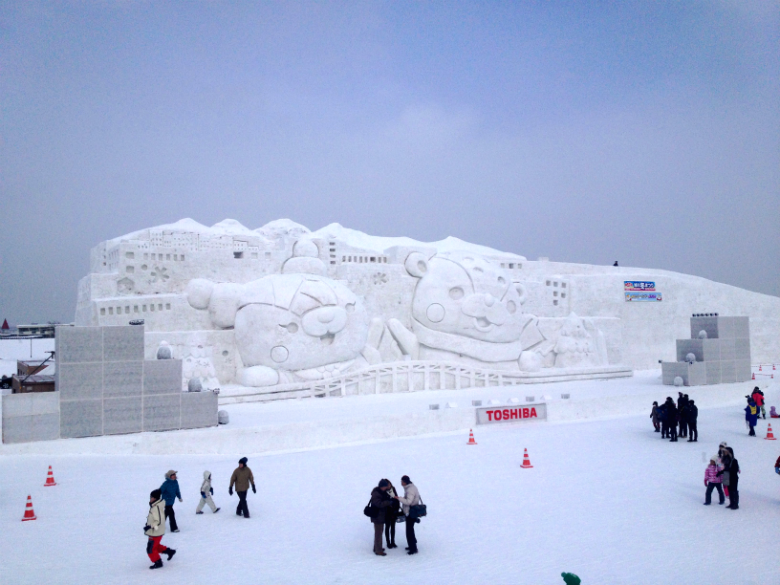
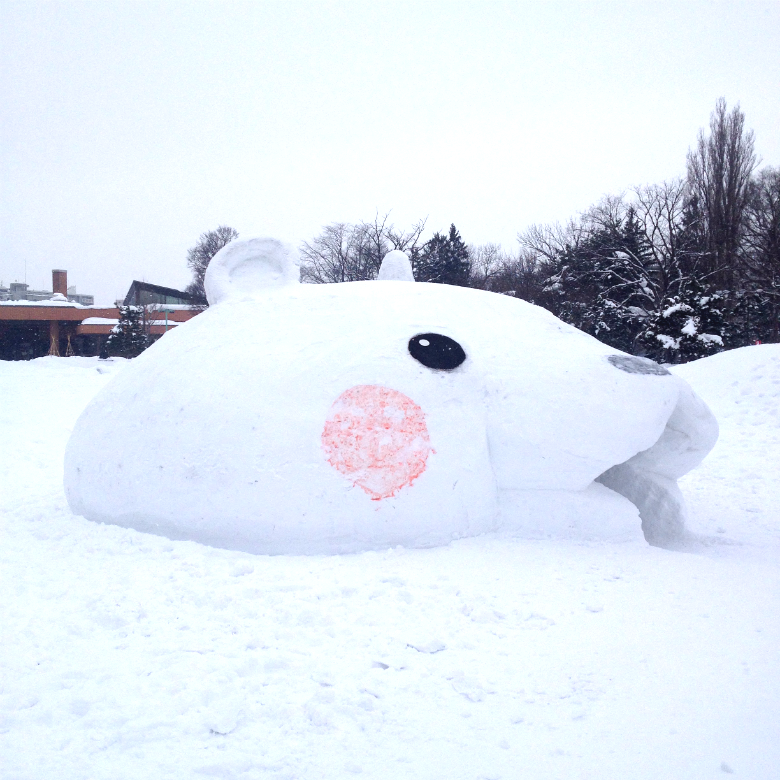
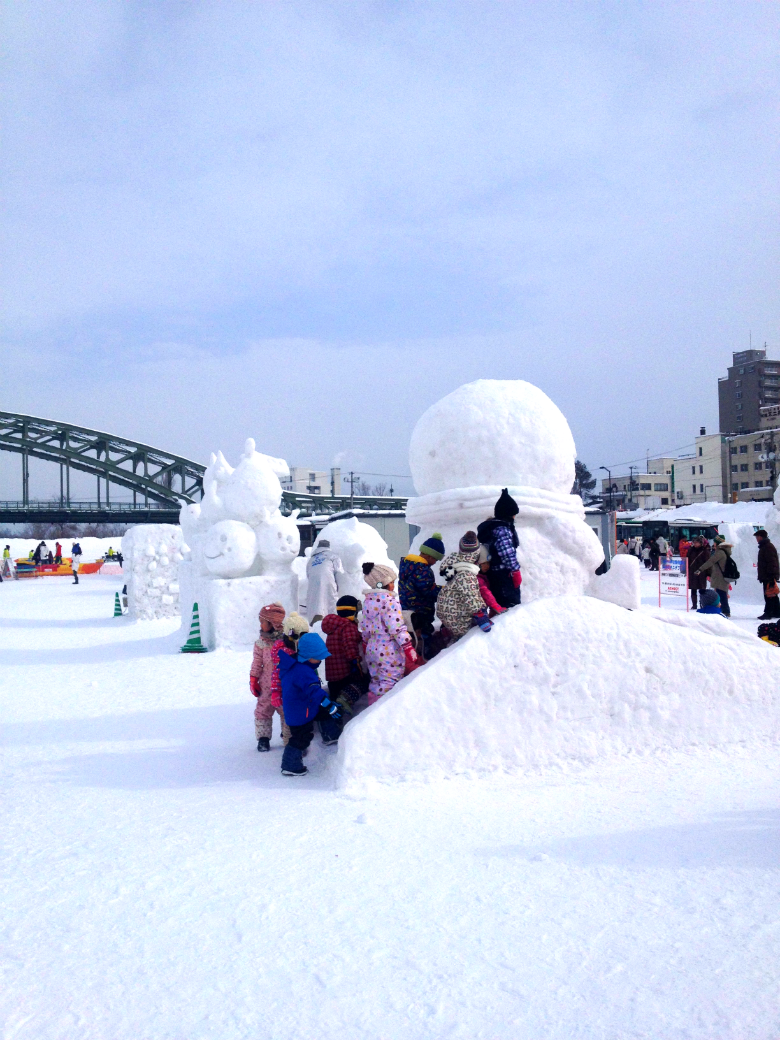
Through the delights of the snowy park, and past a group of locals having a bonfire and a drink in a clearing of the snow, we found the centre of the festival. Ice had been carved in to a viewing platform so we could look at the stage which was also carved out of snow and a snow slide even ran from the top of it. This was place was mad, but then it was a snow festival after all. Music pumped out into the night and snow sculptures were everywhere.

The local ramen, which is a speciality made with a shoyu (soy sauce) broth, was sold in big steaming bowls which we sipped from under a tent in communal canteen whilst children slurped and snacked on their lunches, played around and stared at us. In the light of day the festival was still buzzing and fun. We discovered a snow maze and quickly ran around its thick walls to find the centre. Other activities went on around the festival site with children having a go at a spot of snowboarding and go-karting. On the stage local musicians sung and strummed away to songs we half-knew, cheered on by friends in the crowd. Considering this was meant to be a small festival, it was surprising how much there was to do and how much thought had been put into the details, but then we were in Japan, the country where delicate details and cuteness are key - along with delicious food.

As night fell on the final night of the festival and after we had just one more go at zipping down the really, really fun snow slide, we gathered with all of the other festival-goers on the viewing platform to watch the closing ceremony take place. This was something we thought would just be a bit of singing and maybe a firework or two but it was actually a full on show with multicoloured lights lighting up the snow in patterns, and green lasers streaming up in to the night sky with booming dance music to accompany it. It was epic and so wonderfully Japanese.

We turned our backs on the snow and ice and - with that bittersweet after-event, end-of-night feeling - walked with the crowd through the delicately lit park, where some people were relaxing and having a drink and others were playing with their children in the snow and dug-out igloos. Japan seems like a happy place to be a child, especially in winter, when it becomes a land of magical ice festivals and snowmen with funny expressions.
REBECCA ALICE SAUNDERS
@yesnotravel


❄️
YES/NO VISITS HOKKAIDO
Hakodate
Kushiro
Abashiri

Saturday, 17 February 2018

🌏 VISITS — ABASHIRI

The one-carriage train pulled into Abashiri as night fell. We stepped off of the train pulling our backpacks on and bent forward into the driving snow. Abashiri is a port town on the northern east coast of Hokkaido, Japan, and is well known for two things: drift ice and a prison. We were there to see the ice, but on arrival couldn’t help think about how this hardy frozen town was the perfect place for dangerous criminals.

Abashiri gave off an uneasy feeling. Maybe it was the bleak cold, our closeness to Russia, or just that we were hungry and tired, but this was far from the popularly perceived notions of Japan - this was definitely no Kyoto. We found our hotel opposite the station, next to the warmly lit-up, shiny Toyoko Inn hotel which busy with families from China celebrating their Chinese New Year holidays. We pushed open the creaky door of our corroded concrete old hotel

The lobby was reminiscent of the black lodge in David Lynch's Twin Peaks; red velvet sofas and parlour palms appeared hazy through the smoke of a lit cigarette in an ashtray. We rang the bell at reception and an short old round lady appeared. She was rough and gravely like some old character from an anime—not the sweet kind, but one who would try and trick you out of a magical power. The lady was actually kind enough; she spoke a little English and we spoke a little (very little) Japanese but she chatted to us just the same – happy, we supposed, to see a different type of clientele. As we chatted square shapes of older men came and went in leather jackets, their rough hands clutching cans of beer and 7-11 noodles for dinner as they clambered up to their rooms. I presumed they were truckers and remembered about the protagonist in Mari Akasaka's novel Vibrator, steely and strange.

The men were quite intimidating and the thought went through my head that this is the kind of under-the -adar hotel that they might invite prostitutes back to. This thought made me uneasy. That wasn’t the end of it though: the red lift took us to our room on the third floor, and it was the only time we used the lift, it creaked and croaked as it hauled our weight against gravity and flecks of paint peeled off.

Our room was simply incredible in an 'how can someone actually think its ok to let people stay in this place?' sort of way. I put my bag on the desk, not wanting it or anything I own to touch the stained carpet, ingrained with decades of people’s detritus. The walls were damp and the widow was frozen shut from the inside. It was amazing. This whole hotel hadn't been touched since the 1970s, it was like a set from a murder mystery except we were in it and the big bulky beer-drinking men in leather jackets were staying next door.

As quickly as we got in, we got out. The lady at reception had kindly given us a map with a discount voucher for an Indian restaurant attached. Back out in the permeating cold of the Abashiri night we followed the folding map, past the golden warmth of the shiny new hotel next door. We crunched up the road, past a KFC (who would have thought it?), past a group of young Chinese New Year tourists and across an ominously frozen river. We walked though the deserted streets of this northern city and it began to snow. Why were we doing this to ourselves?

We were hunting down the Indian restaurant for a few reasons: primarily because I was vegetarian who was just really hungry and knew that Indian food usually caters well for vegetarians, so there would be no trouble tucking into something tasty, and secondly simply to see Indian food being served in such a strange and hostile place so far away from the Indian restaurants we know and love and have been brought up with in dear old England. Plus we had a coupon. Through the doors of the restaurant and out of the driving snow, an Indian guy greeted us in Japanese and surprised smiles and guided us to a table. Men came out of the kitchen to get a look at the two white people who suddenly rocked up out of the snowy fog of the night. We were as surprised to see these east Asian guys as they were to see us. The restaurant was empty apart from a table of teenagers who were eating together after a college sporting event.

We ordered our curry like seasoned pros – ‘spicy please!’ The Indian guys turned out to be Nepalese and were truly so wonderful. We spoke to them mainly in English, uncertain if they spoke better English or Japanese. The guy who served us was in his 30s and had moved to Abashiri from Nepal as his uncle had started a restaurant here. We began to suspect that most Indian restaurants in Japan were run by Nepalese men. (We are still trying to understand why this is to this day!) We tucked in to a hearty curry and ate our cheesy naan bread like gluttons; the coupon from the lady at the hotel was for cheesy naan. This was the kind of carb-loaded food we needed to keep us warm and all of it for about £10. We didn’t want to leave the kind men with tasty food and their warmth to go back to the shabby shack of a hotel but the Nepalese guys wanted to close and we needed to go to bed. In the morning we were going to be going out onto the chill of the frozen Sea of Okhotsk for one of the colder things to do in Japan.

We walked to our hotel – stopping off for a can of Chu-Hi from a 7-11 which would hopefully knock us out and help us sleep on our stained sheets – back past the happy faces in the shiny hotel, faces almost pressed against their clean glass in envy. We slept fully clothed on top of the sheets that night.

Morning came and we left as soon as we could brush our teeth and get layered up for the outside. We checked out and stashed our heavy backpacks in the big lockers at Abashiri train station; coin lockers are one of those convenient perks of travelling in Japan.

Grabbing some snacks from a bakery we made our way to the ferry terminal and purchased tickets for the 9am morning ice breaker – bad hotels have a way of getting us up and out in the morning. Alarm bells started to ring when we noticed a disclosure sign for the ice breaker cruise: you might not actually see any ice. So yes, we had travelled all this way to Abashiri specifically to see the sea freeze over – one of the more famous things to do in Hokkaido – and it turned out it wasn’t cold enough to be frozen. Well, it felt cold enough, but no, it wasn’t.

We had our boat tickets now and so by this point were duty bound to board this ship. On the ship we found a place on the top deck to take in the scenes of the sea whilst most people sat below deck keeping warm and taking selfies.

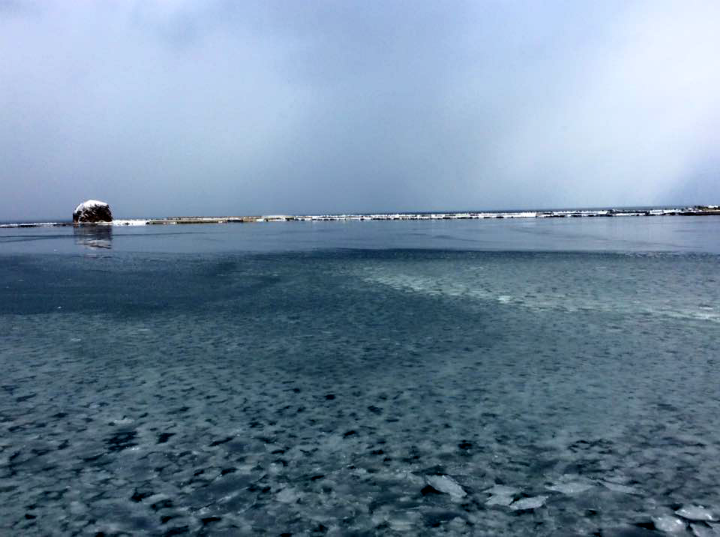
This boat trip is actually on some people’s bucket lists as a once-in-a-lifetime thing to do and even though the ice was not there, the boat trip was unforgettable. The ship took us out of the harbour and into the frigid Russian Sea of Okhotsk, the cold blistering through our many layers, almost suffocating in its dryness. The wind blew against our bodies, the expanse of the sea in front of us reminding us of how small and fragile our bodies are against the forces of nature. To put it simply, we have never been so cold in our lives. It was incredible. And we did see some ice – the harbour was a little frozen over – and we did see some sea eagles chilling out on rocks by the sea. Even if there was very little ice, the immense feeling of being so far away from everything we know on the cold of the Okhotsk was worth the trip.

Back on dry land we had a few hours before catching the train to our next destination and took a walk up the Abashiri shopping street. It turned out that Ababsihi wasn't the strange frozen oddball of a town that we first thought. The shopping street gently pumped out sweet music through its public address system. We were on the hunt for a contact lens case and this was when we were reminded that we were still in the kindhearted country of Japan.

We first tried an opticians thinking that they would have all sorts of optical-related items, but after some miming and saying the word ‘contact lens’ in a Japanese way the kind lady behind the counter said they didn't have any. But she got on the phone, went through the phone book and phoned someone up for us. She instructed us to walk up the road and described another shop. We thanked her so much for her help and made our way to the next shop, like a treasure hunt for contact lenses.

The next place was a pharmacy, it was busy with older members of the town sitting waiting for prescriptions. A youngish guy came out from a back room and we told him that a lady had called up for us, telling him that we were looking for a contact lens case, he had understood however he didn't have any. But then, after some rummaging around he produced two pill pots the size of contact lenses and asked if they would work - yes they would! We thanked him and offered up token money and he shook his head. He didn't want payment. Just another example of omotenashi – the sheer kindness of Japanese people when it comes to accommodating strangers.

We returned to our coin locker, slung our bags over our shoulders and bought tickets for the 3 o'clock train to our next destination, Asahikawa, for the ice festival, leaving Abashiri with warm hearts but the rest of us completely frozen.


REBECCA ALICE SAUNDERS
@yesnotravel


❄️
YES/NO VISITS HOKKAIDO
Hakodate
Kushiro
Asahikawa


Saturday, 3 February 2018

🌏 VISITS — KUSHIRO

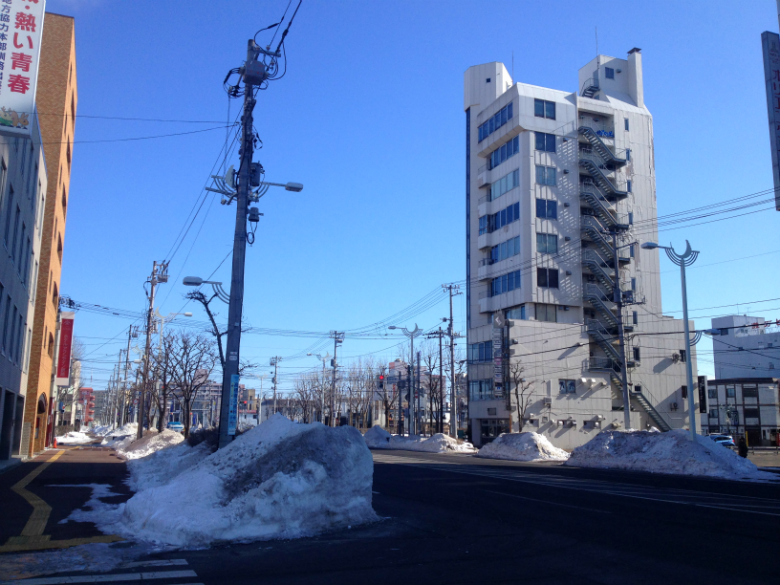
We arrived in the dark at a railway station in the middle of Kushiro. It was cold here, even colder than Hakodate had been. We made our way to the hotel by following the maps on our iPad and managed to slip on thick ice down a backstreet on the way. This town seemed hardy, there were no small dainty buildings, just concrete and hard corners.
After checking into our business hotel we headed out to find dinner, it was Friday night and things were getting busy. Down corridors inside buildings people were loitering, heading up flights of stairs to undisclosed locations, presumably to bars and karaoke places. Kushiro was daunting at first. It felt tough and unfriendly. Salarymen in suits slipped in and out of snack bars, groups of men in smart suits drank heavily and jeered at people. We saw a fight start happening between two groups of men. This was, we thought, all very un-Japanese behaviour and we weren't sure how to take it. We were tired, too tired to force ourselves to be brave and push our way into a bar so we fell back on the ever-present konbini and got ourselves some sake and sushi and retreated back to the comfort of our hotel room to watch TV and drown our travelling sorrows.

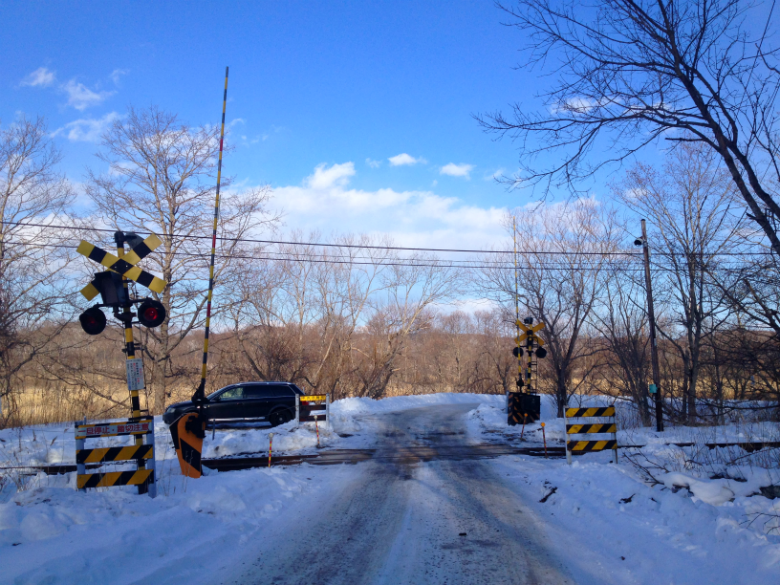
The next morning the sun shone on the crisp white snow and we were greeted to a view of the longest sheet of icicles we've ever seen. A local told us not to stand underneath them or our head would get squashed. The town's pale concrete streets were empty, a Tannoy echoed around, the voice of a woman over the PA, sweet and gentle, pumping out general messages. Like an old communist town, it was a steely ode to industrial Japan. The tourist draw to this town is the national park and the famous and very rare Japanese cranes. We were too late to catch the very precise bus to the crane sanctuary, so instead we decided to catch a train to the outskirts of Kushiro-shitsugen National Park.

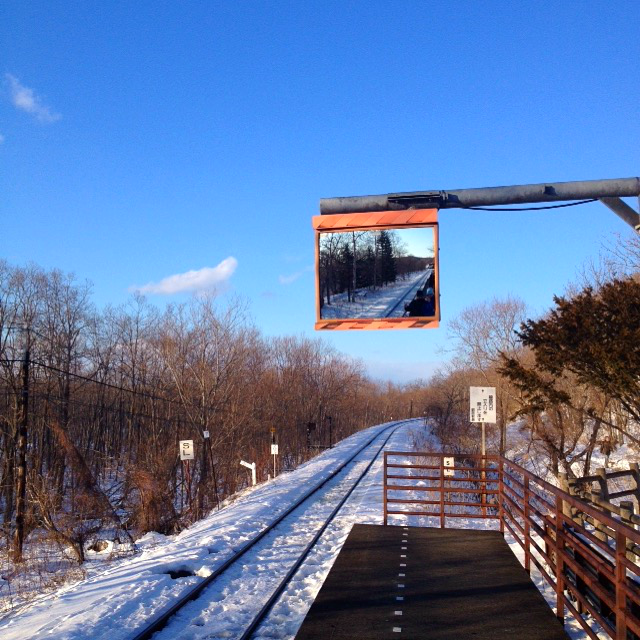
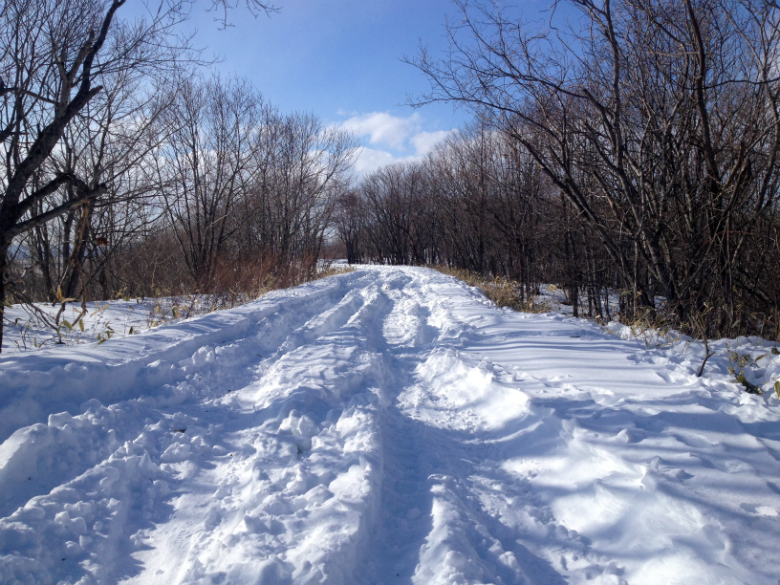
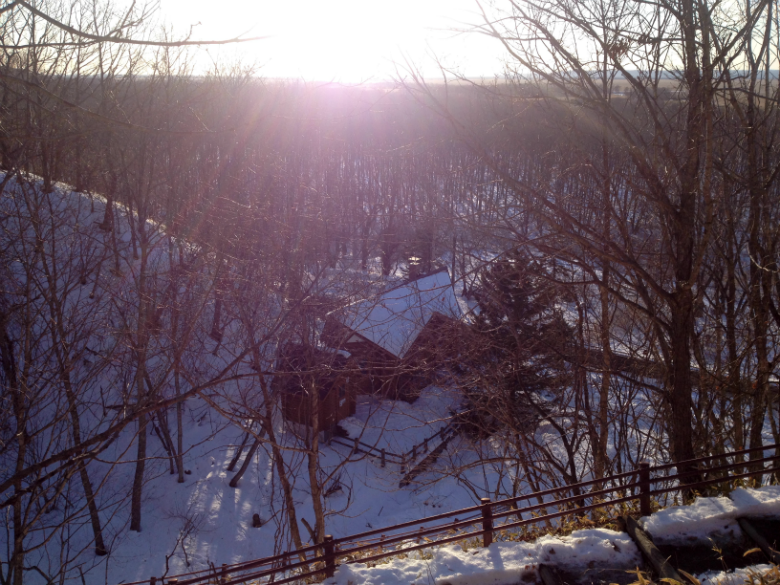
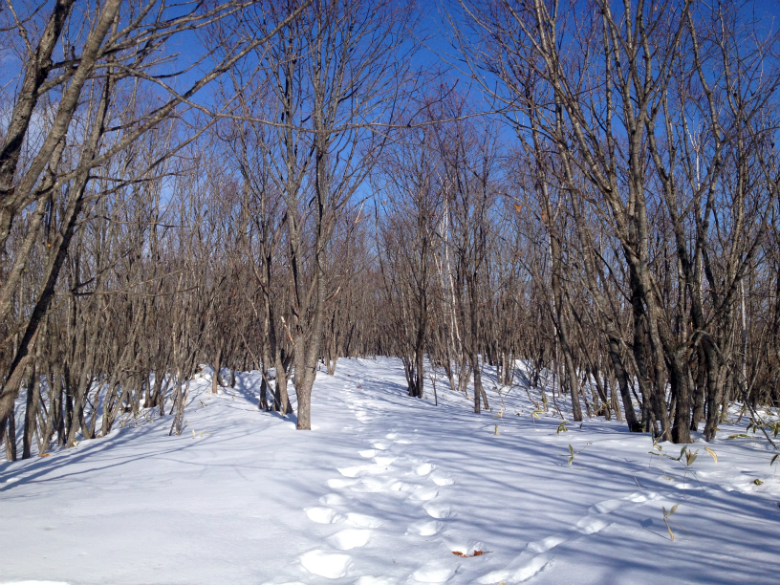
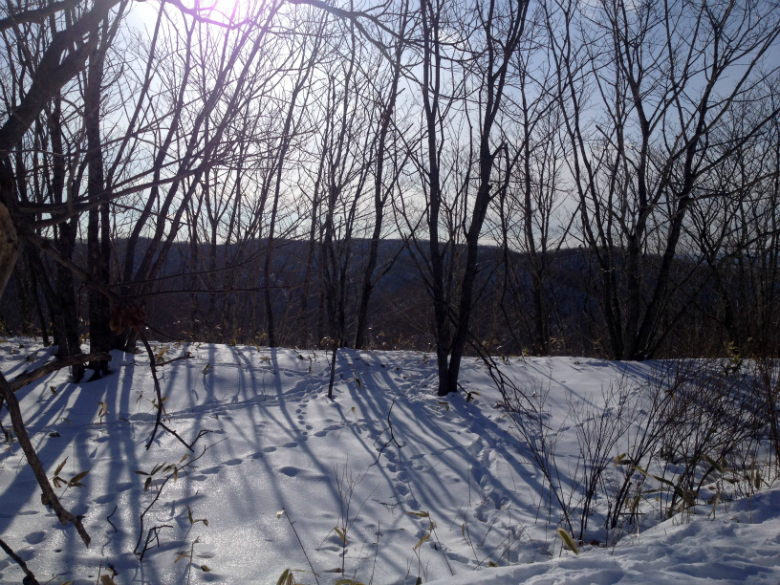
Comprising excitingly of just one carriage, our train chugged its way through the countryside saturated with snow. It was unbelievable to see fans hanging from the ceiling above our heads—how could this Siberian deep freeze ever get warm enough to warrant using them? There were a handful of fellow passengers, a group of students and a couple. We all got off at Kushiroshitsugen station, a small platform with a wooden cabin. It was like being in a model train set. We scrambled up some snowy steps and adventured into the wilderness without any clear direction. The views from up high revealed a sweeping land below, a marshy National Park as far as the eye could see. We found a road and followed it one direction, stomping through snow as far as we could and then doubled back and explored lower down in the other direction, past Lake Takkobu. Here we walked parallel to the train tracks and said hello as we passed by fishermen trying their luck in the river; we spotted the wild shika deer and a steam locomotive trundled past us as passengers waved out of the window like a page from The Railway Children. What time were we in? Old traditions never seem to fade and die in Japan. The winter's sun was dropping and was time to board our one carriage train home to Kushiro, tired and cold from a day walking.

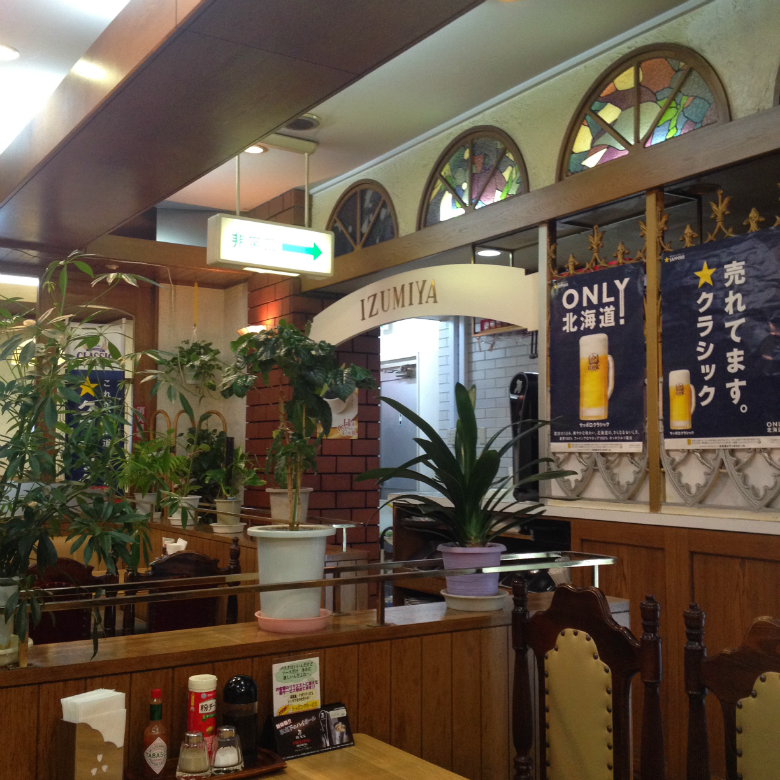
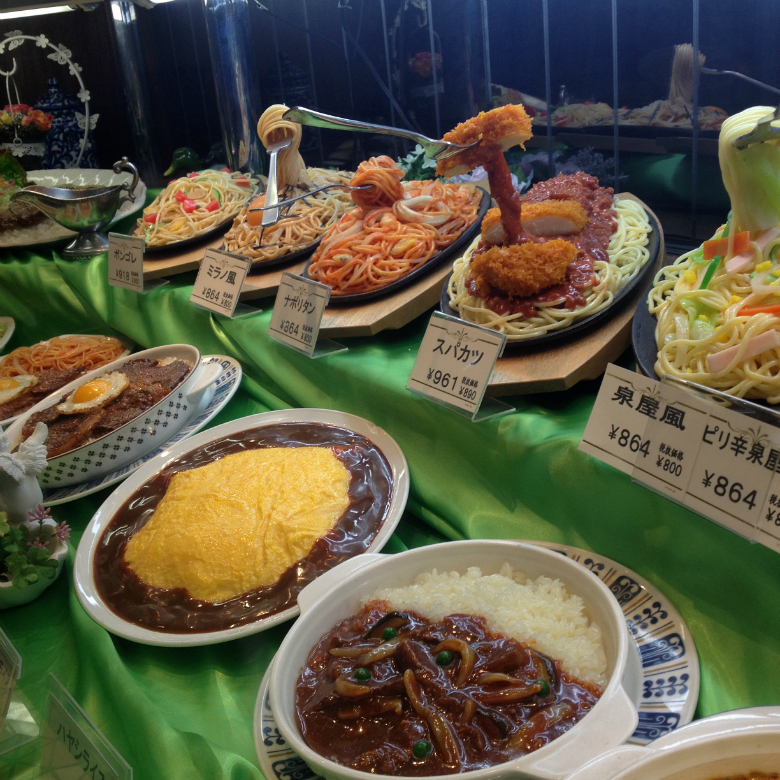
That evening we had an incredible night. We had read online about Restaurant Izumiya (レストラン泉屋) a yōshoku restaurant which sells a Japanese take on Western cuisine. From the window display downstairs it seemed like we were in the right place: intricate plastic models showed off the food on offer upstairs, so we headed up the narrow staircase anxiously. Inside the restaurant was busy with businessmen and couples and we were showed to our seats and handed the menu. It all looked tasty and we deciphered what we should eat.

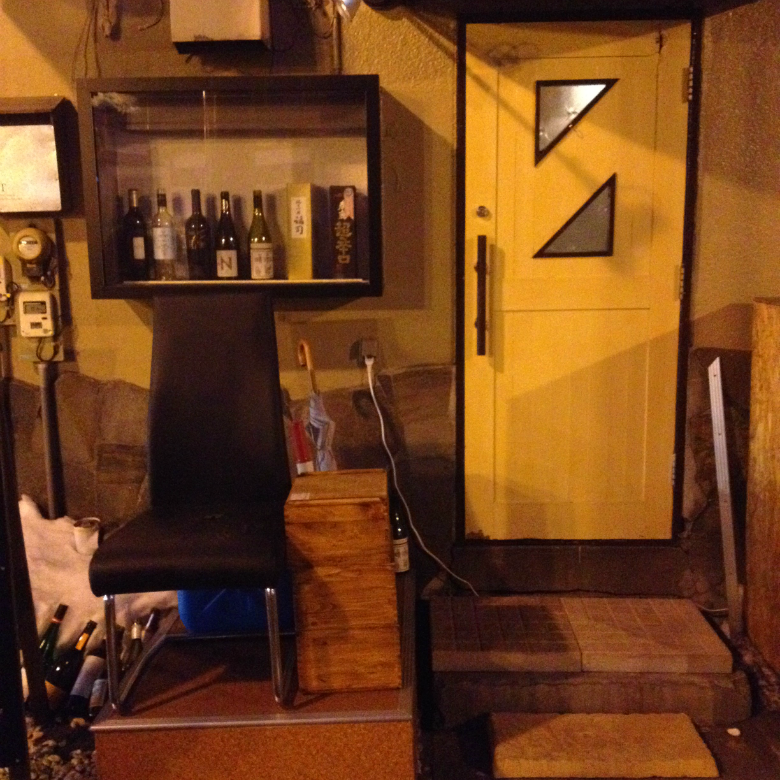
By the time we had completed our delicious delve into yōshoku cuisine it was 10 o'clock and we were out on the frozen streets again and feeling in the mood for more drinks. We found our way to two alleyways of tiny izakaya all hidden behind sliding doors, each bar or restaurant had room for maybe six people on tall stalls around a bar. They were all really busy, packed with people having fun with their friends on a Saturday night. But we wanted to join in – going to an izakaya is one of those things to do in Japan – so we chose one and slid the door open. The place was empty apart from the guy behind the counter, we asked him if it was ok to come in and he nodded and motioned for us to sit at the counter; there was no room for tables.

There was a huge list of sake to choose from, so we asked what he recommended and went for that one. He put a cup onto a small plate and poured sake in till it overflowed. Delicious gleaming flavour. And then they guy, who didn't really speak English, started handing us plates of food - we'd already eaten but we simply had to eat it. Delicious bowls of octopus. Seaweed. And possibly the most delicious sushi rolls we ate in the whole of Japan, melt in your mouth amazingness. Two customers came in. Two young women, they had a chat with the guy behind the counter and were very please to see us. We tried so hard to talk to each other, using Google Translate and sign language. We all got on a laughed together anyway. Then another customer walked in, a young guy who actually spoke English! He worked for the local television channel and sat down at the bar to eat and drink. He became the translator. It turned out you were meant to book at place in these bars but the owner behind the counter was really kind and let us in and have a place. It was probably a shock for him to see two foreigners wander in to his bar.

The evening got more and more silly as we drank and laughed and drank some more, all squashed into this tiny white portacabin-type square of a bar. We made each other laugh and then ate and drank some more in a whirl of warmth and happiness. What a place Kushiro is: on the surface steely and unfriendly with nothing of interest but just with a little effort, just under the surface is a Hokkaido culture all to its own. In this cold and icy concrete port the heart of Japan is warm.

#


REBECCA ALICE SAUNDERS
@yesnotravel